SHARE THIS ARTICLE
CASE STUDIES
Real-Time H₂S Monitoring of an HPHT Well During a Staged DST Campaign
Location: United Arab Emirates
Industry: Middle East Operator
SMS supported a Middle East operator in the United Arab Emirates to monitor hydrogen sulphide (H₂S) in real-time during a staged drill-stem test (DST) campaign on a high-pressure, high-temperature (HPHT) well. The solution reduced personnel exposure to hazardous gas, removed the need for manual sampling, and gave onsite and remote teams continuous data for faster operational decisions.
The Challenge
As global oil and gas exploration expands into sour fields, operators face increasing exposure to H₂S, a colourless, highly corrosive and flammable gas that can be lethal at concentrations as low as 100 ppm.
The client needed to:
-
Reduce personnel risk from potential H₂S exposure and from wearing breathing apparatus in ambient temperatures above 40°C.
-
Enable dynamic decision-making by making H₂S data available in real time to teams onsite, offshore, and onshore.
Solution
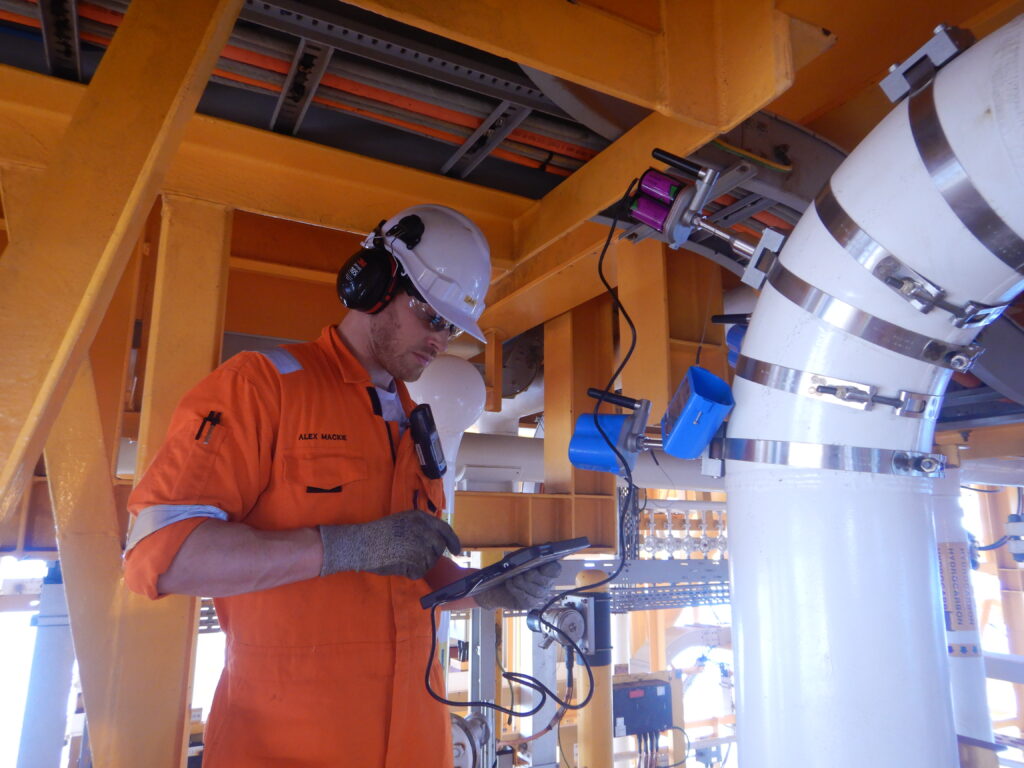
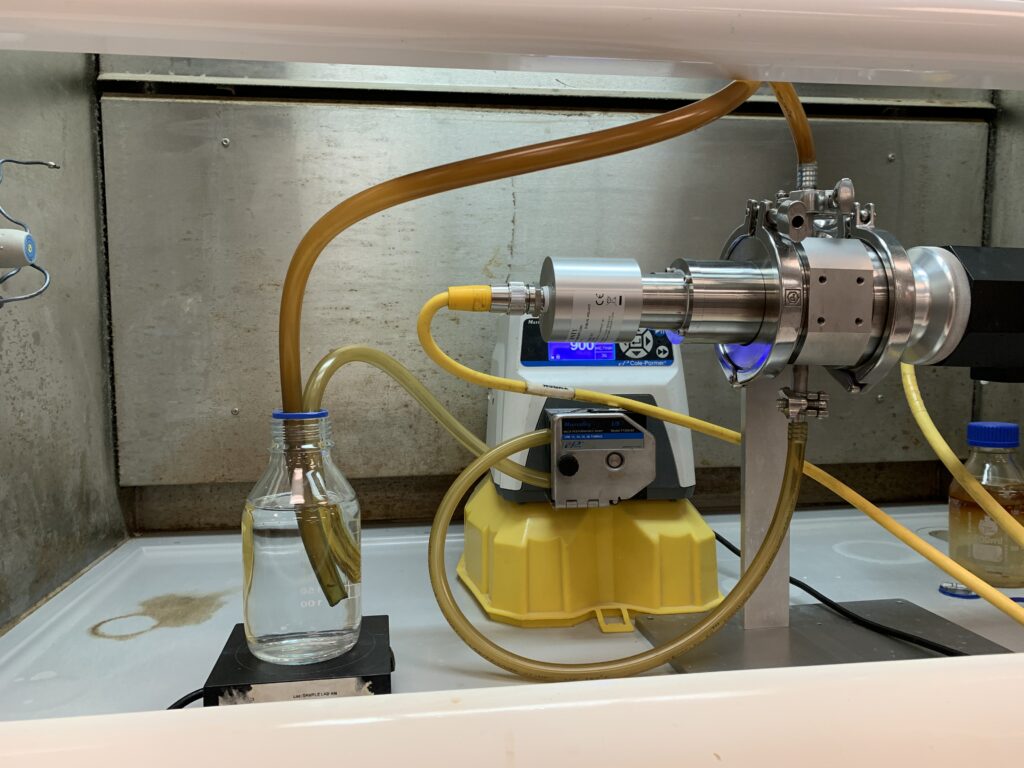
SMS mobilised and installed its Real-time Inline H₂S Monitoring System using the well’s existing sampling points. The system was configured as a closed loop, helping minimise potentially lethal gas emissions during monitoring.
The system can measure H₂S concentrations of up to 30%, eliminating the need for personnel to be tasked with taking manual gas samples.
The Results
SMS delivered the first-ever topside H₂S real-time monitoring during a multiple DST programme in harsh UAE conditions. The system continuously measured gas-stream H₂S levels of up to 6%, without requiring onsite personnel to take manual samples.
Throughout every phase of the operation, continuous H₂S readings were made available onsite, remotely, and through the client’s well test acquisition system.
Value Delivered
| Client Benefit | Outcome |
|---|---|
| Improved personnel safety | Reduced risk of exposure to harmful gases and reduced reliance on breathing apparatus in temperatures above 40°C. |
| Lower manpower requirements | Reduced need for personnel to perform manual H₂S sampling. |
| Faster, informed decisions | Real-time H₂S data was available onsite, remotely, and via the well test acquisition system, supporting dynamic operational decisions. |
| Reduced emissions risk | Closed-loop system setup helped minimise potentially lethal gas emissions. |
Why It Matters
This project demonstrates how real-time inline H₂S monitoring can make HPHT and sour-gas well testing safer, more efficient, and more data-driven. By replacing manual sampling with continuous monitoring, operators can protect people, reduce exposure-related risks, and respond quickly as well conditions change.
SMS supported a Middle East operator in the United Arab Emirates to monitor hydrogen sulphide (H₂S) in real-time during a staged drill-stem test (DST) campaign on a high-pressure, high-temperature (HPHT) well. The solution reduced personnel exposure to hazardous gas, removed the need for manual sampling, and gave onsite and remote teams continuous data for faster operational decisions.
The Challenge
As global oil and gas exploration expands into sour fields, operators face increasing exposure to H₂S, a colourless, highly corrosive and flammable gas that can be lethal at concentrations as low as 100 ppm.
The client needed to:
-
Reduce personnel risk from potential H₂S exposure and from wearing breathing apparatus in ambient temperatures above 40°C.
-
Enable dynamic decision-making by making H₂S data available in real time to teams onsite, offshore, and onshore.
Solution
SMS mobilised and installed its Real-time Inline H₂S Monitoring System using the well’s existing sampling points. The system was configured as a closed loop, helping minimise potentially lethal gas emissions during monitoring.
The system can measure H₂S concentrations of up to 30%, eliminating the need for personnel to be tasked with taking manual gas samples.
The Results
SMS delivered the first-ever topside H₂S real-time monitoring during a multiple DST programme in harsh UAE conditions. The system continuously measured gas-stream H₂S levels of up to 6%, without requiring onsite personnel to take manual samples.
Throughout every phase of the operation, continuous H₂S readings were made available onsite, remotely, and through the client’s well test acquisition system.
Value Delivered
| Client Benefit | Outcome |
|---|---|
| Improved personnel safety | Reduced risk of exposure to harmful gases and reduced reliance on breathing apparatus in temperatures above 40°C. |
| Lower manpower requirements | Reduced need for personnel to perform manual H₂S sampling. |
| Faster, informed decisions | Real-time H₂S data was available onsite, remotely, and via the well test acquisition system, supporting dynamic operational decisions. |
| Reduced emissions risk | Closed-loop system setup helped minimise potentially lethal gas emissions. |
Why It Matters
This project demonstrates how real-time inline H₂S monitoring can make HPHT and sour-gas well testing safer, more efficient, and more data-driven. By replacing manual sampling with continuous monitoring, operators can protect people, reduce exposure-related risks, and respond quickly as well conditions change.