SHARE THIS ARTICLE
CASE STUDIES
Real-Time Particle Size Distribution Analysis for Offshore Sand Management
Location: Offshore Malaysia
Industry: Oil & Gas
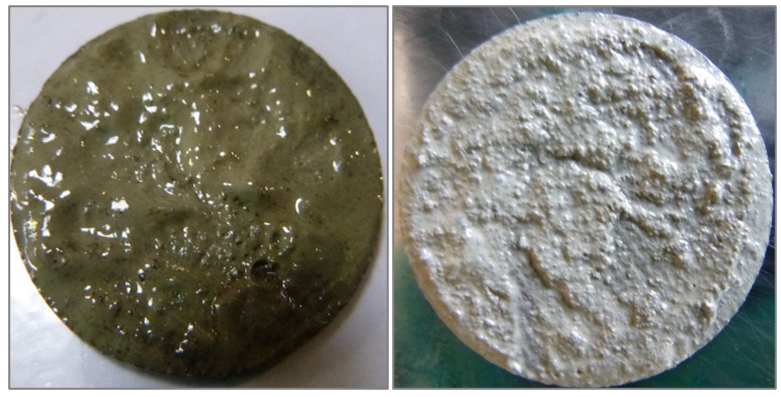
Many offshore oil and gas fields with high sand or solids production do not measure Particle Size Distribution (PSD) because contamination in the process fluid makes conventional sampling difficult. SMS’s real-time PSD analyser measures particle size and concentration directly from the process stream, without breaking containment or manually handling samples.
Challenge:
The operator needed a safer, faster way to obtain reliable PSD data from wells producing hazardous process fluids.
-
HSE risk: Manual sample extraction and handling exposed personnel to TENORM, mercury, and H₂S.
-
Limited data access: Traditional laboratory analysis required samples to be shipped onshore, delaying results.
-
Need for dependable data: The client required accurate PSD datasets to support wellhead desander design decisions.
Solution:
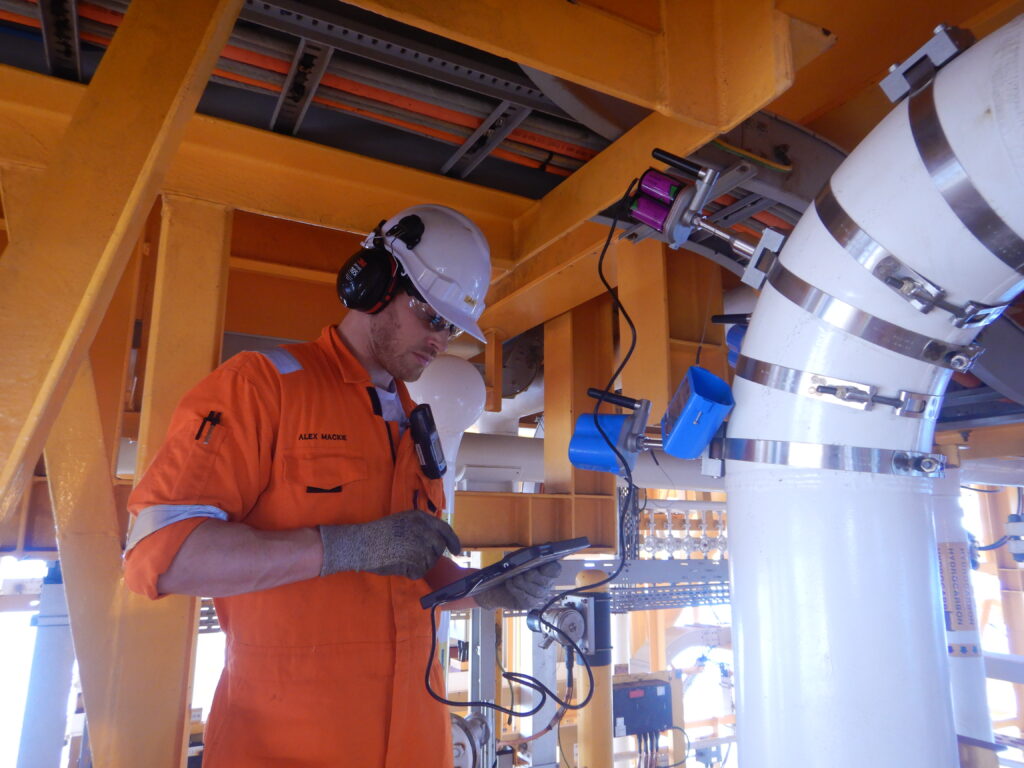
SMS mobilised and installed its real-time particle size analyser in an online, closed-loop configuration. Produced fluid was drawn from existing sample points, passed through the analyser, and returned safely to closed drains.
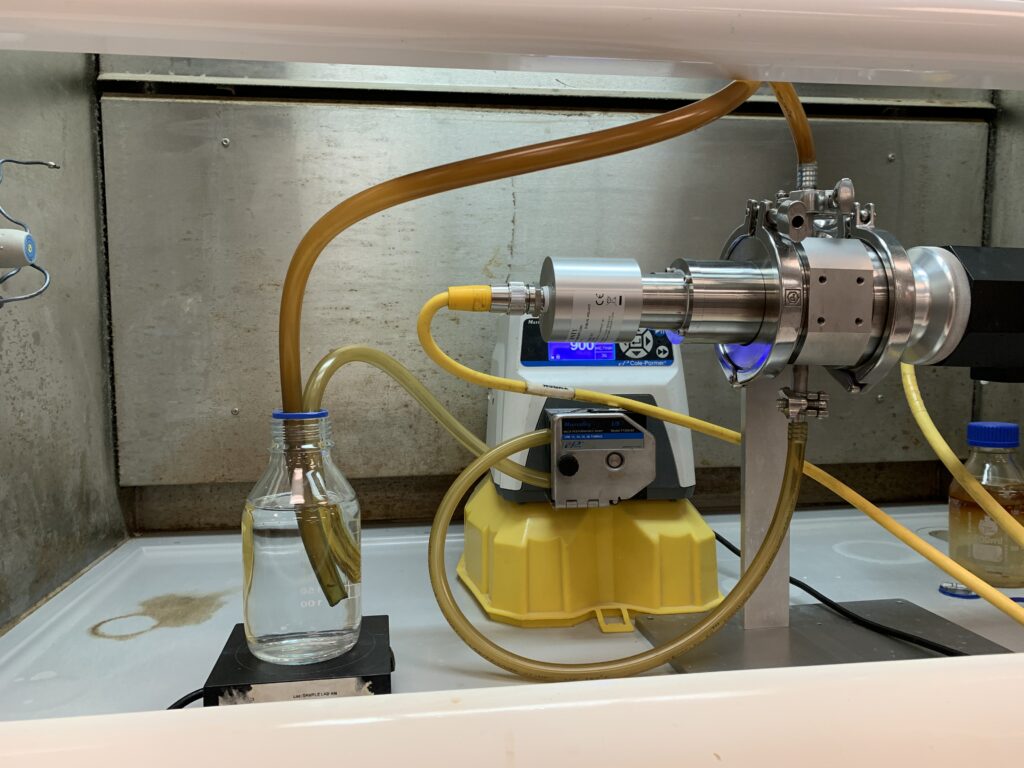
The package included a three-phase side-stream mini separator designed for hazardous process conditions. This unit suspended solids in a stable base fluid, approximately 90% water, and regulated pressure to enable accurate particle analysis.
Using a batch-sampling method, a known volume of liquid flowed through the analyser flow cell for each well. The system analysed particles from 0.7 to 300 microns and transmitted imaging and distribution data to a service PC in real time.
Results:
SMS completed real-time PSD analysis across 27 wells in the field.
-
Each well was tested three times, using a minimum of six litres of fluid per analysis, to verify datasets and improve accuracy.
-
All particle images were recorded in the acquisition software, allowing post-job refinement and particle-filter thresholding.
-
The client received Dn and Dv (%) outputs, providing essential data for wellhead desander design specifications.
Value Delivered:
| Benefit | Outcome |
|---|---|
| Reduced HSE exposure | Closed-loop operation minimised personnel contact with TENORM, mercury, and H₂S. |
| Real-time decision support | Immediate PSD results enabled faster, better-informed operational decisions. |
| Lower OPEX | The solution required minimal on-site personnel and equipment. |
| Repeatable results | Multiple batch runs per well supported data averaging and representative analysis. |
| Representative sampling | PSD data was captured directly from the well flowline, upstream of process separation. |
SMS’s real-time PSD analysis gives offshore operators a safer and more efficient way to understand sand production, protect downstream equipment, and support sand-management decisions.
Many offshore oil and gas fields with high sand or solids production do not measure Particle Size Distribution (PSD) because contamination in the process fluid makes conventional sampling difficult. SMS’s real-time PSD analyser measures particle size and concentration directly from the process stream, without breaking containment or manually handling samples.
Challenge:
The operator needed a safer, faster way to obtain reliable PSD data from wells producing hazardous process fluids.
-
HSE risk: Manual sample extraction and handling exposed personnel to TENORM, mercury, and H₂S.
-
Limited data access: Traditional laboratory analysis required samples to be shipped onshore, delaying results.
-
Need for dependable data: The client required accurate PSD datasets to support wellhead desander design decisions.
Solution:
SMS mobilised and installed its real-time particle size analyser in an online, closed-loop configuration. Produced fluid was drawn from existing sample points, passed through the analyser, and returned safely to closed drains.
The package included a three-phase side-stream mini separator designed for hazardous process conditions. This unit suspended solids in a stable base fluid, approximately 90% water, and regulated pressure to enable accurate particle analysis.
Using a batch-sampling method, a known volume of liquid flowed through the analyser flow cell for each well. The system analysed particles from 0.7 to 300 microns and transmitted imaging and distribution data to a service PC in real time.
Results:
SMS completed real-time PSD analysis across 27 wells in the field.
-
Each well was tested three times, using a minimum of six litres of fluid per analysis, to verify datasets and improve accuracy.
-
All particle images were recorded in the acquisition software, allowing post-job refinement and particle-filter thresholding.
-
The client received Dn and Dv (%) outputs, providing essential data for wellhead desander design specifications.
Value Delivered:
| Benefit | Outcome |
|---|---|
| Reduced HSE exposure | Closed-loop operation minimised personnel contact with TENORM, mercury, and H₂S. |
| Real-time decision support | Immediate PSD results enabled faster, better-informed operational decisions. |
| Lower OPEX | The solution required minimal on-site personnel and equipment. |
| Repeatable results | Multiple batch runs per well supported data averaging and representative analysis. |
| Representative sampling | PSD data was captured directly from the well flowline, upstream of process separation. |
SMS’s real-time PSD analysis gives offshore operators a safer and more efficient way to understand sand production, protect downstream equipment, and support sand-management decisions.