SHARE THIS ARTICLE
CASE STUDIES
Verifying Produced Water Solids Removal Performance
Location: Middle East
Industry: Oil & Gas
A produced water solids-removal package was assessed at a client’s gas plant. The study compared the desander and desilter vessels to confirm how effectively the system removed solids from the process stream.
A dynamic imaging particle analyser captured suspended particles as fluid passed through a central flow cell. The analyser used a high-speed camera, light source, and specialised software to distinguish solids from gas bubbles. It also measured particle size, shape, and concentration.
The challenge
The client faced several operational and safety challenges:
-
Solids fouled filters upstream of the recovery systems.
-
New and worked-over wells increased the risk of filter fouling.
-
Severe fouling forced operators to clean some filters almost every hour.
-
H₂S required closed sampling and testing methods.
-
Very fine solids made separation and analysis difficult.
The client needed accurate particle data to verify the multistage separation system and protect downstream filters.
The solution
A specialised image-processing camera system analysed solids across the separation package.
Safe sample collection
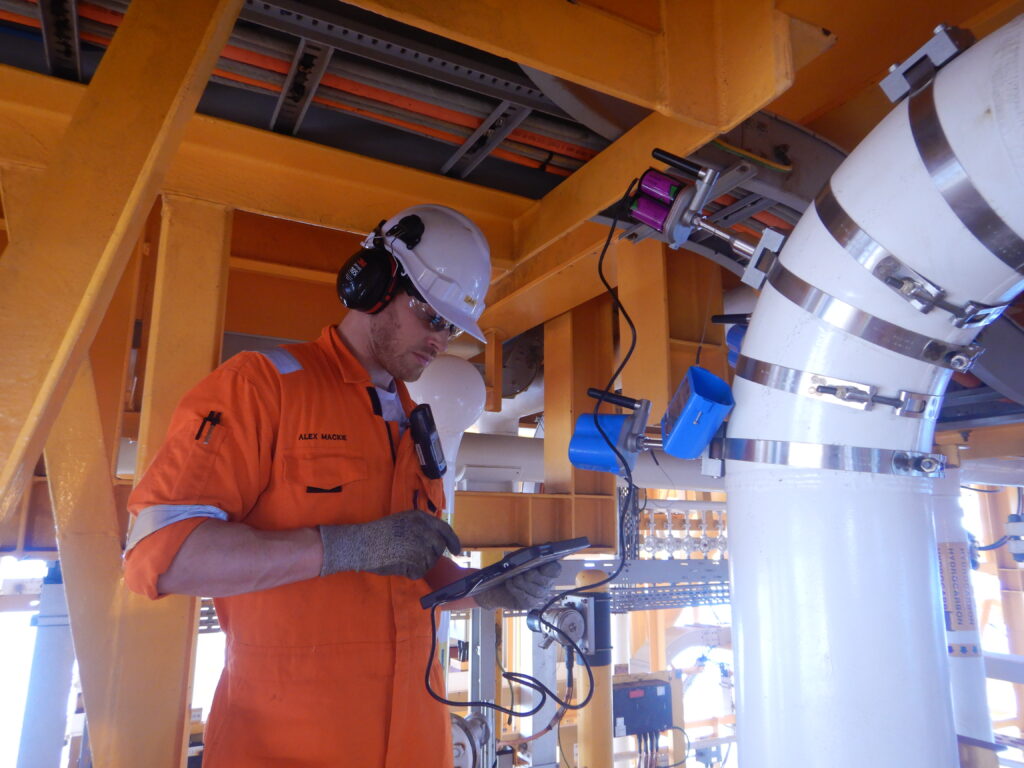
The team collected 500 ml samples using pressurised sample bombs. Samples came from the inlet and each outlet stage. This method reduced the risk of H₂S exposure during collection.
Consistent sample preparation
The team transferred each sample into a non-pressurised container fitted with a magnetic stirrer. The stirrer kept the solids evenly suspended during testing.
Dynamic particle analysis
A peristaltic pump moved each sample through the flow cell. A CCD camera captured multiple images as the fluid passed through. Analysis software then measured the size, shape, and concentration of the suspended solids.
Multistage testing
The assessment covered three hydrocyclone stages:
-
DL2 Desander.
-
DS1 Desilter.
-
DS5 Ultra Desilter.
The results allowed the team to compare solids concentrations at each stage and evaluate the overall separation performance.
Results
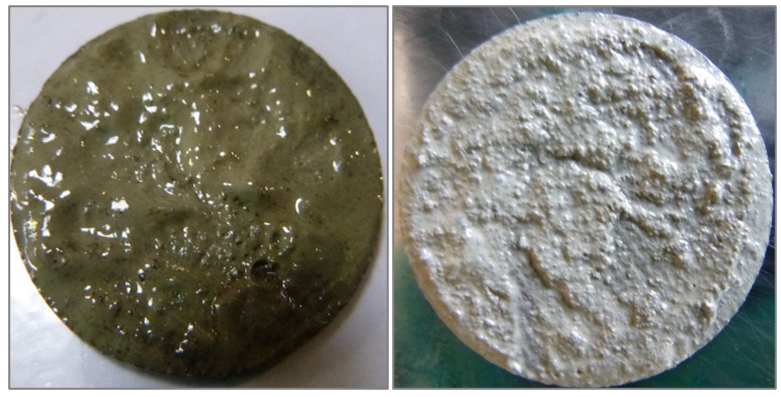
The particle analyser detected no significant solids production in most samples. Visual inspection also classified most samples as solids-free.
However, the results showed an upward trend in volumetric solids concentration, measured in parts per million (PPM). This trend may indicate that fine particles had started to reach the terminal.
Produced solids may continue to move through the offshore pipeline and increase the concentration at the terminal. Continued sampling and particle analysis will help verify this trend and identify the relevant particle-size characteristics.
Value to the client
Reduced H₂S exposure risk
Pressurised sample bombs and a dedicated testing procedure reduced personnel exposure to harmful contaminants.
Better separation decisions
The particle analyser produced accurate Particle Size Distribution (PSD) data. The results helped engineers assess the hydrocyclone stages and determine how many stages the client needed to protect downstream filters.
Lower operating costs
The trial required minimal personnel and equipment on site. The results also helped reduce unnecessary filter cleaning and maintenance caused by limited solids data.
Reliable performance data
The system achieved approximately 90% efficiency despite the fine particle size of the drilling solids. The team collected samples directly from the well flowlines before the process and separation equipment. This approach provided representative solids data.
The solution gave the client a clearer understanding of solids movement through the produced water treatment package. By combining safe sampling with dynamic particle analysis, the team verified separation performance, tracked changes in solids concentration, and supported better filter-protection decisions.
Continued sampling will help confirm the solids trend and strengthen the client’s long-term solids-management strategy.
A produced water solids-removal package was assessed at a client’s gas plant. The study compared the desander and desilter vessels to confirm how effectively the system removed solids from the process stream.
A dynamic imaging particle analyser captured suspended particles as fluid passed through a central flow cell. The analyser used a high-speed camera, light source, and specialised software to distinguish solids from gas bubbles. It also measured particle size, shape, and concentration.
The challenge
The client faced several operational and safety challenges:
-
Solids fouled filters upstream of the recovery systems.
-
New and worked-over wells increased the risk of filter fouling.
-
Severe fouling forced operators to clean some filters almost every hour.
-
H₂S required closed sampling and testing methods.
-
Very fine solids made separation and analysis difficult.
The client needed accurate particle data to verify the multistage separation system and protect downstream filters.
The solution
A specialised image-processing camera system analysed solids across the separation package.
Safe sample collection
The team collected 500 ml samples using pressurised sample bombs. Samples came from the inlet and each outlet stage. This method reduced the risk of H₂S exposure during collection.
Consistent sample preparation
The team transferred each sample into a non-pressurised container fitted with a magnetic stirrer. The stirrer kept the solids evenly suspended during testing.
Dynamic particle analysis
A peristaltic pump moved each sample through the flow cell. A CCD camera captured multiple images as the fluid passed through. Analysis software then measured the size, shape, and concentration of the suspended solids.
Multistage testing
The assessment covered three hydrocyclone stages:
-
DL2 Desander.
-
DS1 Desilter.
-
DS5 Ultra Desilter.
The results allowed the team to compare solids concentrations at each stage and evaluate the overall separation performance.
Results
The particle analyser detected no significant solids production in most samples. Visual inspection also classified most samples as solids-free.
However, the results showed an upward trend in volumetric solids concentration, measured in parts per million (PPM). This trend may indicate that fine particles had started to reach the terminal.
Produced solids may continue to move through the offshore pipeline and increase the concentration at the terminal. Continued sampling and particle analysis will help verify this trend and identify the relevant particle-size characteristics.
Value to the client
Reduced H₂S exposure risk
Pressurised sample bombs and a dedicated testing procedure reduced personnel exposure to harmful contaminants.
Better separation decisions
The particle analyser produced accurate Particle Size Distribution (PSD) data. The results helped engineers assess the hydrocyclone stages and determine how many stages the client needed to protect downstream filters.
Lower operating costs
The trial required minimal personnel and equipment on site. The results also helped reduce unnecessary filter cleaning and maintenance caused by limited solids data.
Reliable performance data
The system achieved approximately 90% efficiency despite the fine particle size of the drilling solids. The team collected samples directly from the well flowlines before the process and separation equipment. This approach provided representative solids data.
The solution gave the client a clearer understanding of solids movement through the produced water treatment package. By combining safe sampling with dynamic particle analysis, the team verified separation performance, tracked changes in solids concentration, and supported better filter-protection decisions.
Continued sampling will help confirm the solids trend and strengthen the client’s long-term solids-management strategy.