SHARE THIS ARTICLE
CASE STUDIES
Sand Management Case Study – Identifying Root Causes and Improving Production in Malaysia
Location: Offshore Malaysia
Industry: Oil and Gas
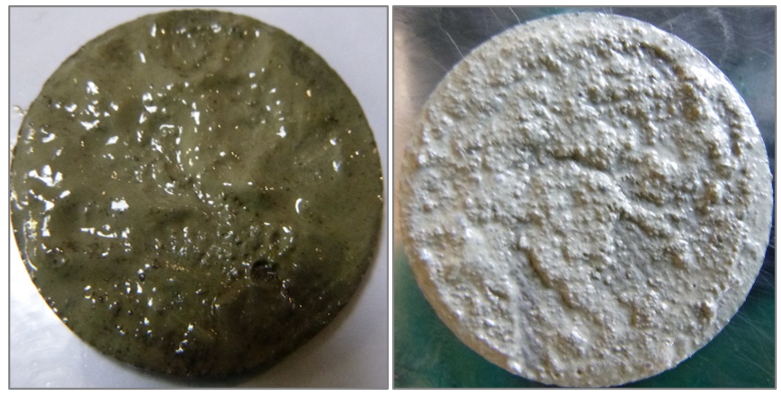
SMS supported a major Southeast Asia oil and gas operator with a phased sand management investigation across onshore and offshore operations. The project identified the root causes of sand production, pinpointed the predominant sand-producing wells, and delivered a practical improvement plan for long-term sand management.
The Challenge
The scale of the project required multiple offshore visits, detailed onshore analysis, and correlation of data from several sources. SMS also needed to communicate and embed a new sand management strategy with the operator’s operations team.
The operator required clear recommendations to manage sand production going forward, while creating opportunities to safely improve production from wells previously operated conservatively due to sand-related assumptions.
Key Facts
To coordinate the multi-disciplinary scope effectively, an SMS engineer was relocated to Malaysia to act as the in-country focal point.
Beyond the original scope, SMS provided strategic input to improve production from selected wells through more accurate sand data analysis. The team also introduced a more functional analysis approach, supported by improved monitoring and data assurance, enabling the client to sustain the improvements.
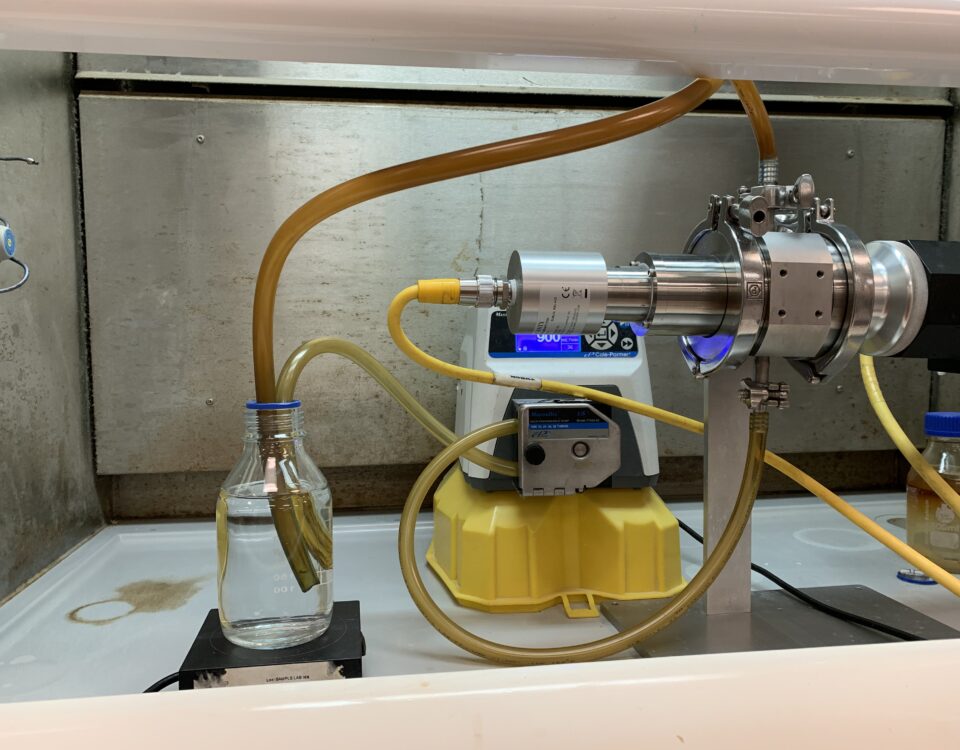
The sand management scope was aligned with a wider field digitisation pilot project. SMS developed workflows to identify sanding wells during well tests and manage them through variable choke installation. Installing acoustic sensors at the test separator inlets provided a cost-effective method to monitor multiple wells and build a reliable sand production dataset.
Solution
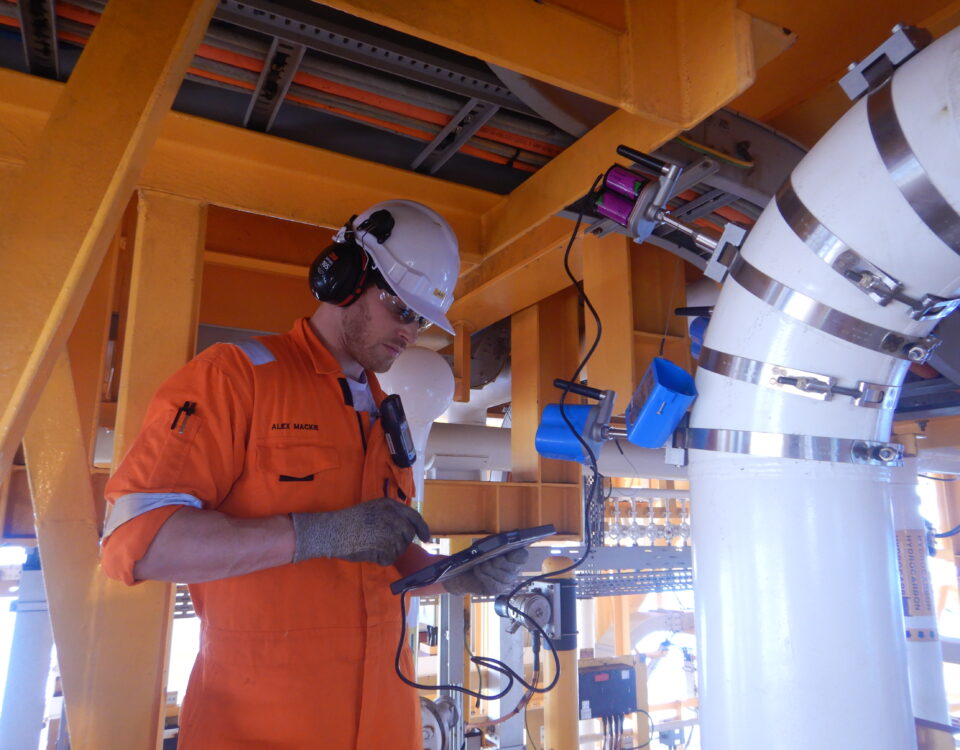
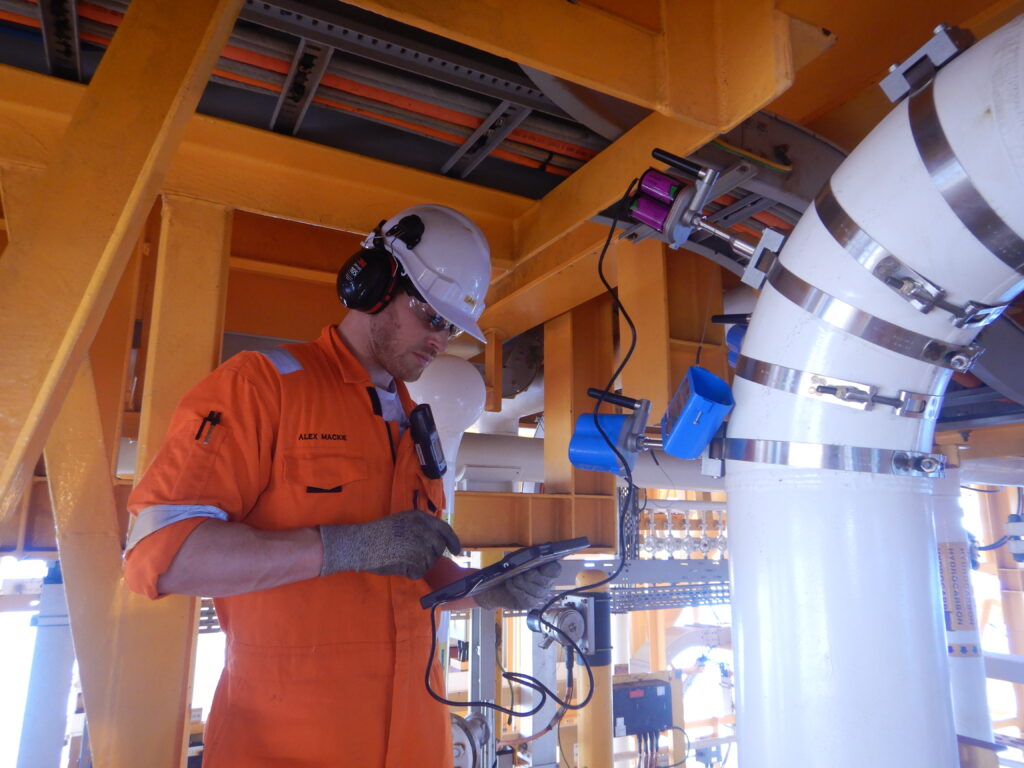
The project began with structured data gathering, both onshore and offshore. SMS engineers visited the relevant offshore platforms and used SMS monitoring equipment to assess every well, building the evidence base for the investigation.
The team then performed multiple theoretical erosion calculations to identify potential hot-spot areas. A subsequent offshore campaign used SMS scanning technology to measure wall thickness loss at the bends identified in the desktop study.
By combining identified sand-producing wells with erosion and deposition findings, SMS established a robust foundation for analysis and recommendations.
The sand management team benchmarked the findings against industry experience and sand management best practice to determine the depth of improvement required. Onshore studies included interviews with operations and integrity teams to review existing workflows, data gathering practices, and data processing methods.
Following the analysis, SMS presented its findings to the client and developed a sand management strategy supported by a practical improvement plan. The client then engaged SMS to implement the plan.
Results and Value to the Client
Over three months, with full-time support from an SMS engineer, the client transformed its approach to sand management and embedded the processes and procedures needed to sustain the improvements.
The work also enabled the operator to identify wells with strong production potential and confidently increase production from wells that had previously been operated conservatively due to assumptions about sand production risk.
The sand management project was integrated into the client’s digital oilfield programme and is now a key workflow for managing sand production.